Understanding the Back-Resilience Method: A New Approach to Back Pain
Back pain is one of the most common health complaints worldwide, affecting people of all ages and backgrounds. Despite its prevalence, traditional approaches often fall short in providing long-term relief. This is where the Back-Resilience Method offers a refreshing and effective alternative.
What is the Back-Resilience Method?
The Back-Resilience Method is a comprehensive approach to back pain management developed by Gytis Beikus after years of specialized training and personal experience. Unlike conventional treatments that often focus solely on symptom relief, this method addresses the root causes of back pain while building lasting strength and resilience.
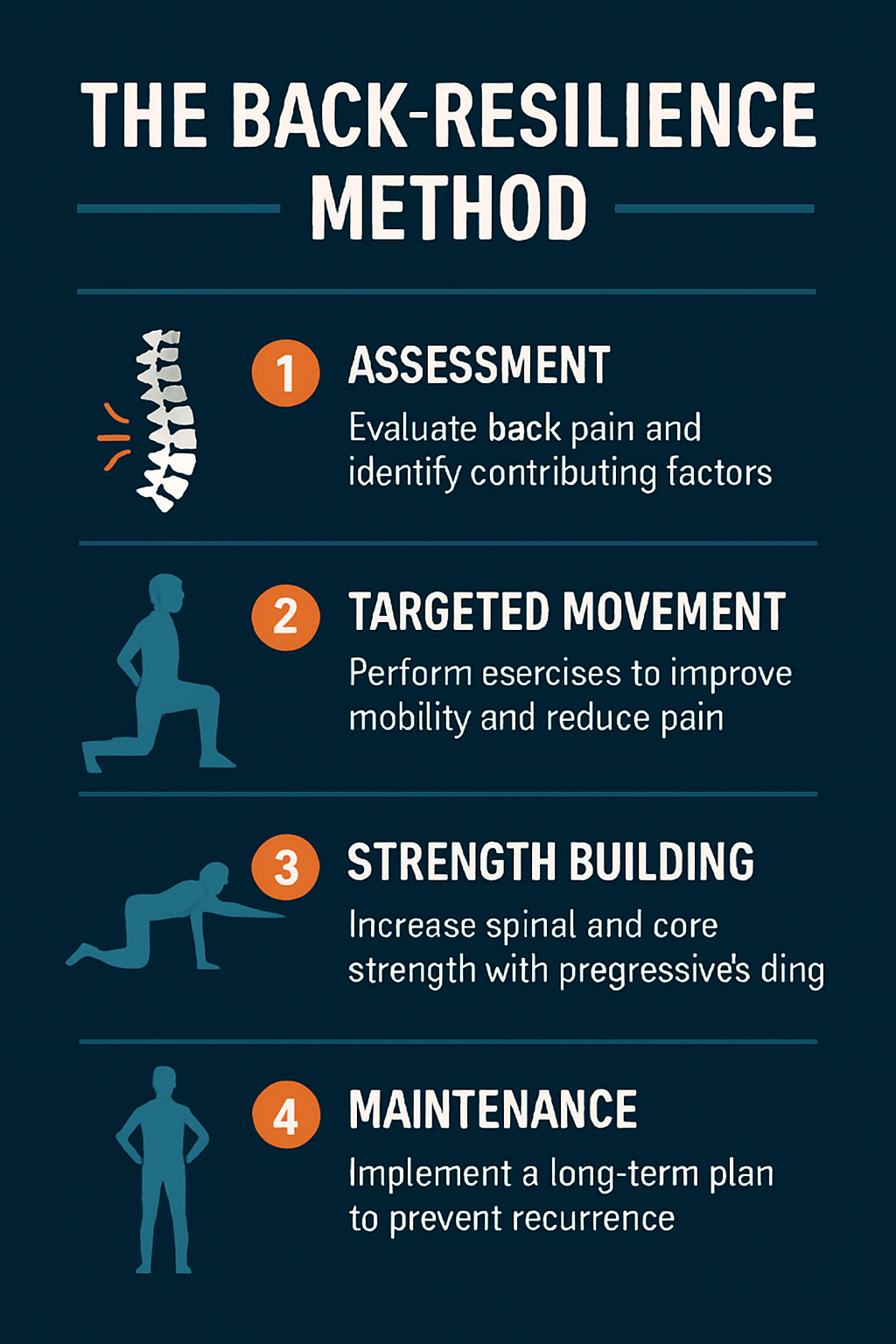
The method is built on four key principles:
1. Comprehensive Assessment
Every back pain journey begins with a thorough assessment. This isn't just about identifying where it hurts, but understanding why. The Back-Resilience Method examines your movement patterns, posture, lifestyle factors, and health history to create a complete picture of your condition.
During this phase, we evaluate:
- Movement quality and restrictions
- Postural imbalances
- Daily habits and ergonomics
- Previous injuries and treatments
- Psychological factors affecting pain perception
This holistic approach ensures that no contributing factor goes unaddressed, setting the foundation for effective treatment.
2. Targeted Movement Therapy
Based on your assessment findings, a personalized movement program is developed. This isn't a generic set of exercises, but a carefully crafted sequence designed to address your specific needs.
The targeted movement therapy may include:
- Mobility exercises to restore proper joint function
- Release techniques for tight muscles and fascia
- Corrective exercises to address movement compensations
- Gentle progressions that respect your pain boundaries
These movements are taught with meticulous attention to form, ensuring you understand not just what to do, but how and why each movement matters.
3. Progressive Strength Building
Once movement quality improves and pain begins to subside, the focus shifts to building strength and stability. This phase is crucial for creating lasting resilience against future pain episodes.
The strength-building phase includes:
- Core stabilization exercises that target deep supporting muscles
- Functional strength training that mimics real-life movements
- Gradual loading to build tissue tolerance
- Balance and proprioception training
This progressive approach ensures that your body doesn't just recover from pain, but becomes stronger and more capable than before.
4. Maintenance and Prevention
The final component of the Back-Resilience Method is perhaps the most important: equipping you with the knowledge and tools to maintain your progress and prevent recurrence.
This includes:
- Education about spine health and biomechanics
- Strategies for managing flare-ups if they occur
- Lifestyle modifications to support back health
- A sustainable exercise routine for long-term maintenance
How is the Back-Resilience Method Different?
Traditional back pain treatments often focus on passive interventions—medications, injections, or treatments done to you rather than by you. While these approaches may provide temporary relief, they rarely address the underlying causes or empower you to take control of your recovery.
The Back-Resilience Method differs in several key ways:
Active vs. Passive
You are an active participant in your recovery, not a passive recipient of treatment. This engagement leads to better outcomes and equips you with skills for lifelong back health.
Root Cause vs. Symptoms
Rather than merely masking pain, the method identifies and addresses the underlying movement patterns, muscle imbalances, and lifestyle factors contributing to your condition.
Personalized vs. Generic
No two backs are the same, and neither are their pain patterns. The Back-Resilience Method is tailored to your specific needs, body type, and goals.
Educational vs. Prescriptive
Beyond just telling you what to do, the method teaches you why you're doing it, fostering a deeper understanding of your body and how to care for it.
Is the Back-Resilience Method Right for You?
The Back-Resilience Method has helped individuals with various back pain conditions, including:
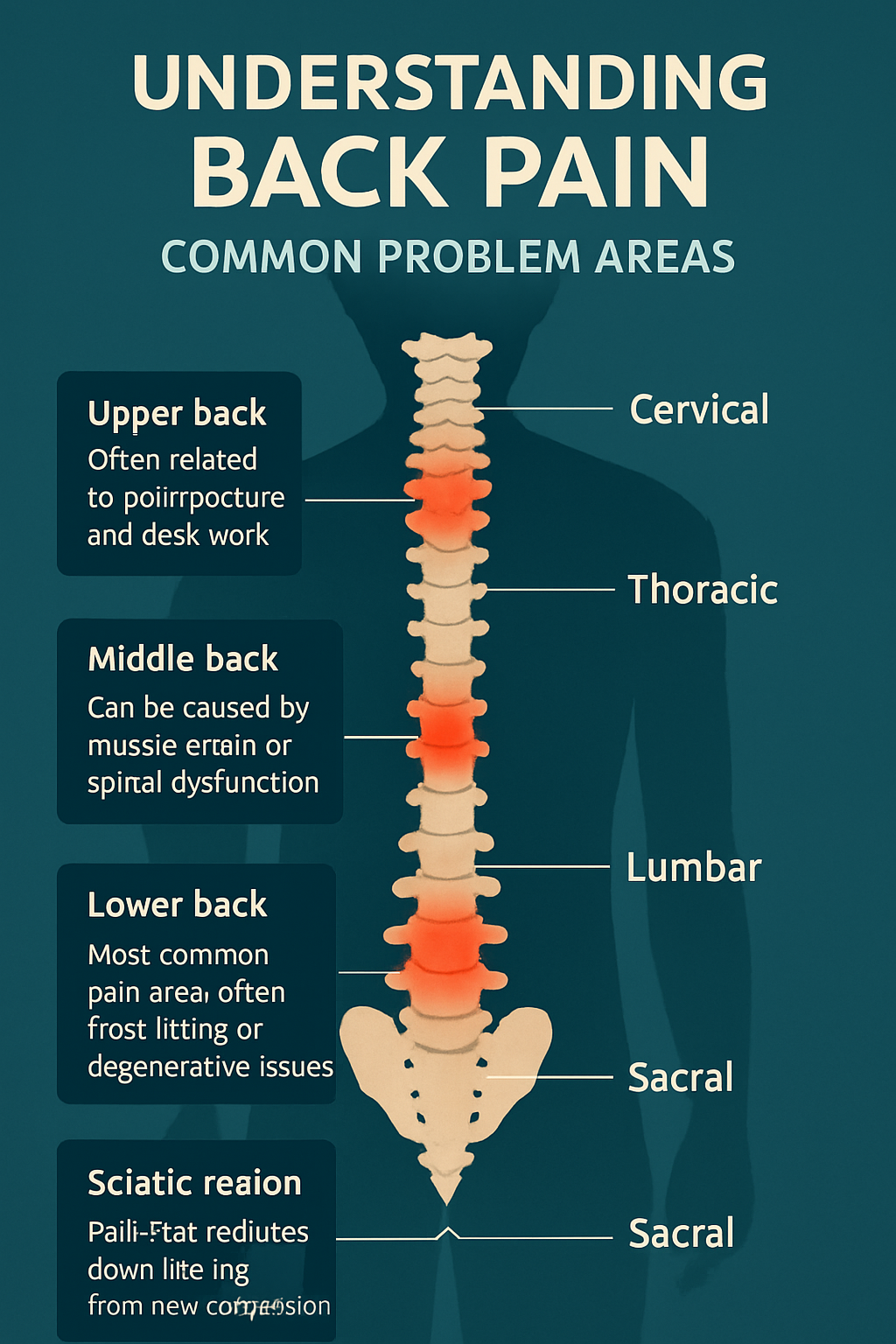
- Chronic lower back pain
- Sciatica and nerve-related pain
- Post-injury rehabilitation
- Degenerative disc conditions
- Postural pain from desk work
- Failed back surgery syndrome
If you've tried conventional treatments without lasting success, or if you're looking for an approach that empowers you to take control of your back health, the Back-Resilience Method may be the solution you've been seeking.
Getting Started with the Back-Resilience Method
Ready to experience the difference? The journey begins with a comprehensive assessment to understand your unique situation and develop a personalized plan.
Remember, your back isn't just meant to be pain-free—it's meant to be strong, resilient, and capable of supporting you through all of life's activities. The Back-Resilience Method can help you get there.
Published: May 17, 2025 | Author: Gytis Beikus | Category: Back Pain Management